 how-to
Does Ultrasonic Cavitation Really Tighten Skin?
Table of Contents
- What Ultrasonic Cavitation Is and How It Works
- Does Cavitation Really Tighten Loose Skin?
- Ultrasonic Cavitation Results and Duration
- Ultrasonic Cavitation vs Radiofrequency Skin Tightening
- Ultrasonic Cavitation Side Effects and Safety
- Treatment Sessions, Candidates, and Expectations
- Frequently Asked Questions
Last Updated: October 11, 2026
What Ultrasonic Cavitation Is and How It Works
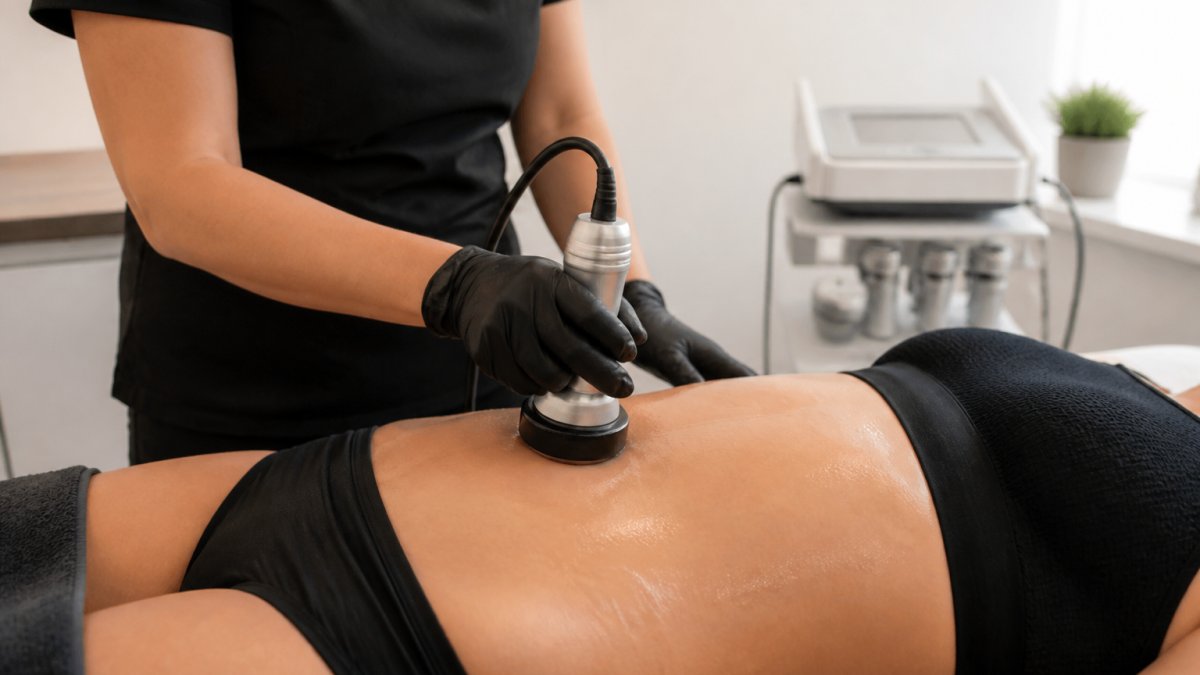
Ultrasonic cavitation is a noninvasive body contouring technique that uses sound waves to break down fat cells beneath the skin.
The process is different from what many people assume. It's not heat-based like some other treatments. Instead, the ultrasound technology creates mechanical pressure that specifically targets fat tissue without damaging surrounding skin or muscle.
At Shape Shift Body Contouring Red Deer, we use ultrasonic cavitation as part of our personalized treatment approach. Your body then processes and removes the disrupted fat cells over the following weeks.
The treatment typically feels comfortable. Most people describe a gentle vibration or mild warmth in the treated area. There's no cutting, no anesthesia, and no recovery time needed.
Does Cavitation Really Tighten Loose Skin?
This is the question we hear most often: does ultrasonic cavitation really tighten skin? The answer requires separating two distinct outcomes: fat reduction and skin tightening.
What the evidence shows:
Ultrasonic cavitation has strong evidence for fat cell disruption and localized fat reduction. However, the evidence for direct skin tightening, collagen remodeling, elastin stimulation, or increased skin firmness, is much weaker.
The apparent tightening many people report comes from volume loss: when fat beneath loose skin is reduced, the overlying skin may conform more closely to the underlying contour, creating a visual tightening effect.
How skin laxity severity determines realistic outcomes:
Whether you'll see meaningful improvement depends on how much loose skin you have and how much fat is removed:
-
Mild laxity (skin appears slightly loose after weight loss or minor volume loss): Ultrasonic cavitation alone often produces noticeable improvement. Removing fat can allow mild excess skin to redrape and appear tighter, especially in younger individuals with better skin elasticity.
-
Moderate laxity (visible skin folds, sagging in treated area, but skin still has reasonable elasticity): Results are mixed. Fat reduction helps, but you may plateau without additional collagen-stimulating treatment. Combining ultrasonic cavitation with radiofrequency or microneedling often produces better skin firmness outcomes.
-
Severe laxity (significant sagging, deep folds, poor skin elasticity, often from major weight loss or age): Ultrasonic cavitation alone is unlikely to address the primary concern. Skin tightening procedures (radiofrequency, microneedling with energy, or surgical options) become more appropriate.
Factors that influence skin response:
- Age and collagen quality: Skin in people under 40 typically rebounds better after fat reduction. After 50, collagen density declines, reducing the skin's ability to contract on its own.
- Amount of fat removed: Removing larger fat deposits creates more visible skin conforming; minimal fat removal may not produce noticeable tightening.
- Skin elasticity at baseline: Skin that has been stretched for years (pregnancy, significant weight gain) may have reduced elastin and respond less dramatically.
- Treatment area: Areas with thinner skin (inner thighs, arms) show tightening effects more visibly than areas with thicker skin (abdomen, flanks).
The combination approach:
Many practitioners recommend pairing ultrasonic cavitation with radiofrequency or other collagen-stimulating treatments when skin tightening is a priority. Radiofrequency heats the dermis, triggering immediate collagen contraction and long-term remodeling.
Bottom line: Does ultrasonic cavitation really tighten skin? If you have mild laxity with stubborn fat, cavitation alone may suffice. A consultation should clarify your skin laxity severity and whether your candidacy favours cavitation, combination therapy, or a different approach.
Ultrasonic Cavitation Results and Duration
Results from ultrasonic cavitation appear gradually over time. Most people notice initial changes within 2-4 weeks, with continued improvement over 8-12 weeks as your body processes the disrupted fat cells.
The timeline works like this:
- Weeks 1-2: Minimal visible change; the body begins processing disrupted cells
- Weeks 3-6: Noticeable reduction in treated area; clothes fit differently
- Weeks 8-12: Maximum results visible; fat cells continue clearing from the body
How long results last depends on your lifestyle. If you maintain stable weight and healthy habits, the treated fat cells don't return. However, remaining fat cells in the area can still enlarge if you gain weight.
Ultrasonic cavitation results and duration vary by person. Factors that influence outcomes include:
- Starting body composition
- Number of treatment sessions completed
- Post-treatment diet and exercise habits
- Overall skin quality and elasticity
- Age and metabolism
Most people see best results with multiple sessions spaced 1-2 weeks apart.
Ultrasonic Cavitation vs Radiofrequency Skin Tightening
These two treatments are often confused because they're both noninvasive body contouring options. However, they work very differently.
Ultrasonic cavitation targets fat cells using sound wave pressure. It's excellent for localized adiposity and fat reduction but provides minimal collagen stimulation.
Radiofrequency (RF) skin tightening uses heat energy to stimulate collagen and elastin production deep in the skin. It firms and tightens skin but doesn't directly reduce fat deposits.
Here's how they compare:
| Aspect | Ultrasonic Cavitation | Radiofrequency |
|---|---|---|
| Primary target | Fat cells | Skin collagen |
| Best for | Stubborn fat pockets | Loose or sagging skin |
| Skin tightening | Minimal direct effect | Strong collagen stimulation |
| Fat reduction | Direct fat cell disruption | Minimal fat reduction |
| Heat involved | No | Yes |
| Comfort level | Very comfortable | Mild warmth sensation |
| Results timeline | 2-12 weeks | 4-16 weeks |
For many clients, the best approach combines both treatments. Ultrasonic cavitation handles the fat reduction while radiofrequency addresses skin firmness. This combination targets both concerns simultaneously.
Ultrasonic cavitation vs radiofrequency skin tightening isn't really an either-or decision for many people.
Ultrasonic Cavitation Side Effects and Safety
Ultrasonic cavitation is considered safe for most people when performed by trained professionals (pubmed.ncbi.nlm.nih.gov). Side effects are typically minimal and temporary.
Common mild effects include:
- Slight redness in the treated area
- Temporary mild swelling
- Minimal bruising (rare)
- Slight tingling sensation
- Temporary skin sensitivity
These effects usually resolve within hours to a few days.
Serious side effects are uncommon. The treatment avoids major blood vessels and organs. It doesn't damage surrounding tissue because the ultrasound energy targets fat cells specifically.
Ultrasonic cavitation side effects are generally far less severe than surgical options. There's no cutting, no anesthesia, and no wound care needed. You can return to normal activities immediately.
However, certain people should avoid the treatment:
- Pregnant women
- People with liver disease
- Those with metal implants in the treatment area
- People taking blood-thinning medications
- Anyone with active infections in the treatment area
A consultation with a qualified professional determines whether ultrasonic cavitation is right for your specific situation. This is not medical advice, always discuss your health history with a practitioner before starting any body contouring treatment.
Treatment Sessions, Candidates, and Expectations
How many sessions do you need?
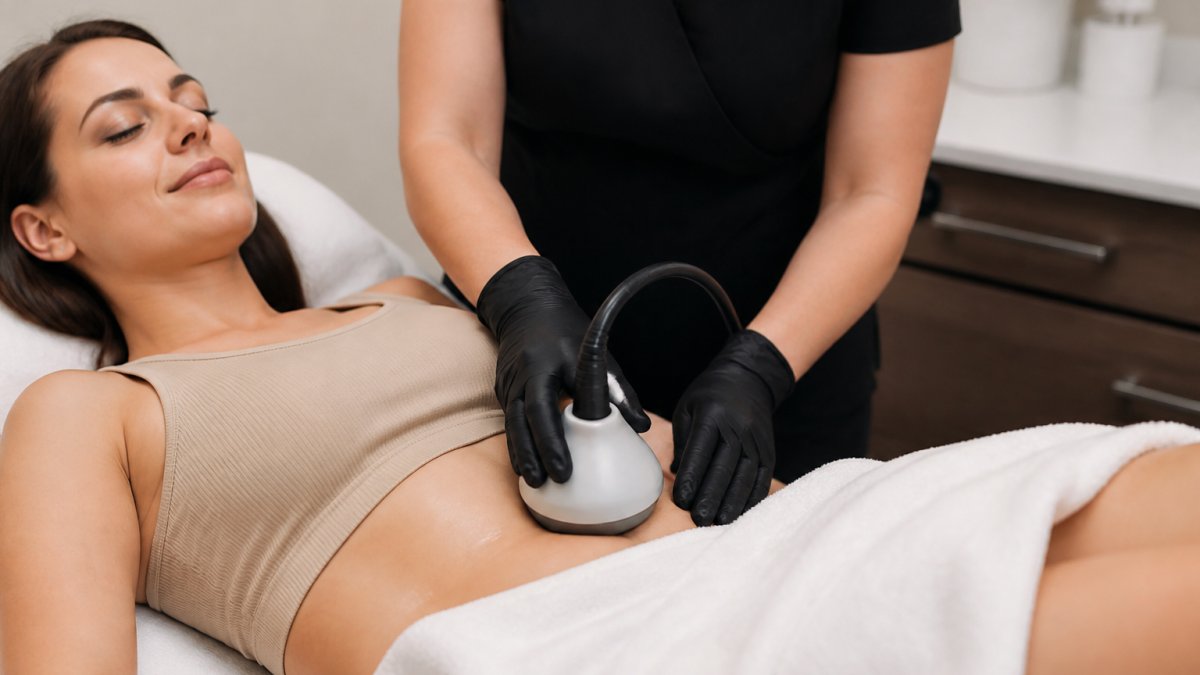
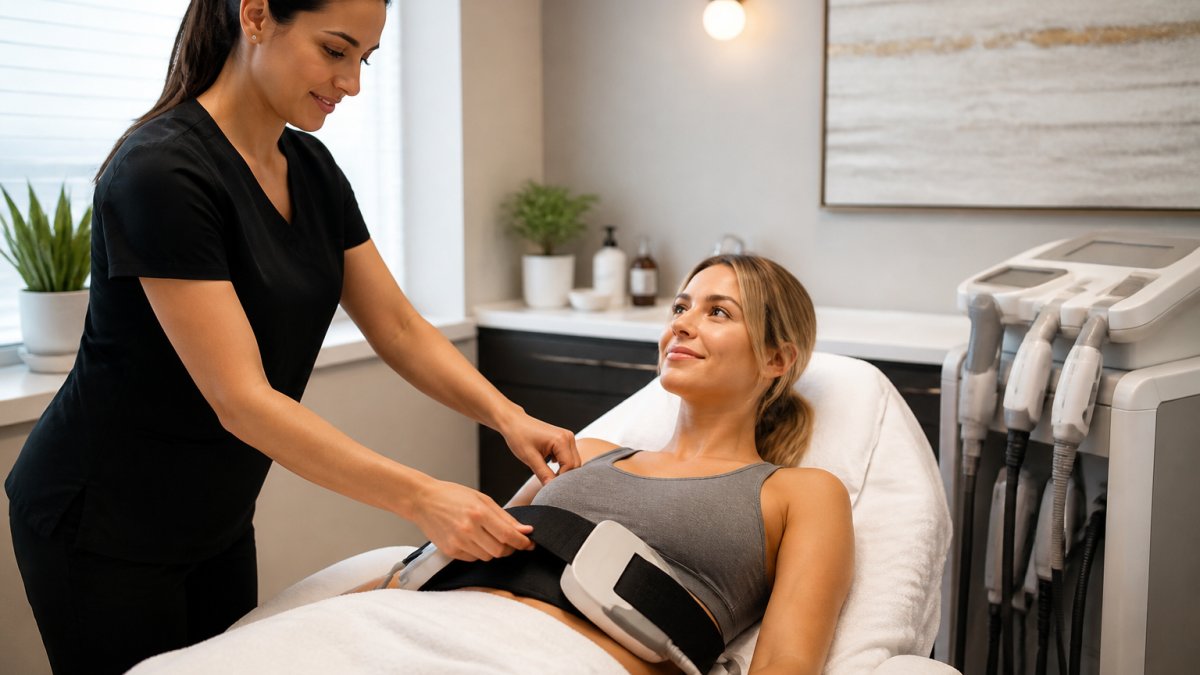
Most people require 6-12 sessions spaced 7-14 days apart for visible results. The exact number depends on:
- Size of the treatment area
- Thickness of fat deposits (thicker deposits may need more sessions)
- Your body's response (some people see results faster than others)
- Desired outcome (mild contouring vs. significant fat reduction)
Sessions spaced closer together may produce faster results, while spacing them 2 weeks apart allows more time for your body to process disrupted fat cells.
Who is a suitable candidate?
Ideal candidates include:
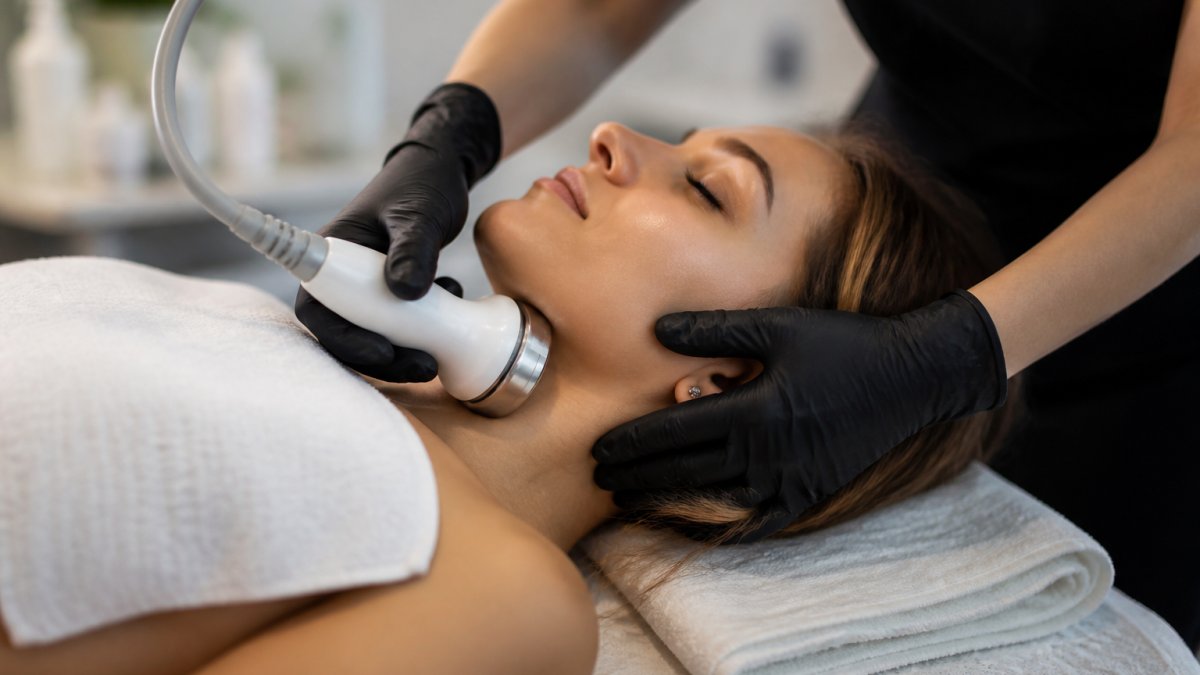
- People with localized fat deposits that resist diet and exercise (abdomen, flanks, thighs, arms, under-chin)
- Those seeking noninvasive body contouring without surgical downtime
- Individuals with mild to moderate skin laxity (not severe sagging)
- Anyone with realistic expectations about gradual results over weeks, not instant transformation
- People committed to maintaining results through stable weight and healthy habits
Age is not a barrier; people in their 20s through 60s can benefit. What matters is skin quality, fat distribution, and realistic goals.
Who should avoid ultrasonic cavitation:
- Pregnant women (no safety data; avoid until after pregnancy and breastfeeding)
- People with active liver disease or cirrhosis (liver processes disrupted fat; compromised function is a contraindication)
- Those with metal implants in or near the treatment area (pacemakers, metal plates, surgical hardware)
- People taking blood-thinning medications (warfarin, apixaban, dabigatran) without medical clearance
- Anyone with active infection, open wounds, or severe skin conditions in the treatment area
- Individuals with uncontrolled diabetes (impaired wound healing and circulation)
- People with a history of keloid scarring or abnormal wound healing
A practical decision framework:
Before booking treatment, work through these steps:
-
Clarify your primary concern: Is it fat reduction, skin tightening, or both? If skin tightening is your main goal, ask whether the provider recommends cavitation alone or combination therapy.
-
Verify the device and credentials: Ask the clinic which ultrasonic cavitation device they use (brand and model).
-
Assess your candidacy: Bring a list of medications, supplements, and any medical conditions to your consultation. Be honest about liver function, pregnancy plans, and skin conditions. A qualified practitioner will screen you for contraindications.
-
Discuss realistic outcomes: Ask the provider to show before-and-after photos of clients with similar body type, skin laxity, and treatment area. Ask what results you can expect in 4 weeks, 8 weeks, and 12 weeks. If the provider promises dramatic skin tightening from cavitation alone, that's a red flag.
-
Understand the treatment plan: Get a written plan showing the number of sessions and spacing. Ask whether results are guaranteed or if additional sessions may be needed. Ask what happens if you're not satisfied after the planned sessions.
-
Ask about combination therapy: If skin tightening is important, ask whether the clinic offers radiofrequency or other collagen-stimulating treatments. Ask about package pricing if combining treatments.
-
Confirm aftercare and follow-up: Ask about post-treatment care (hydration, activity restrictions, skincare), how to maintain results, and whether follow-up sessions are recommended after your initial plan.
What to expect during and after treatment:
- During: You'll feel gentle vibration or mild warmth in the treated area. There should be no pain. If you experience sharp pain, tell the provider immediately.
- Immediately after: Mild redness and slight swelling are normal and usually resolve within hours to a few days.
- First 2 weeks: Minimal visible change; your body begins processing disrupted fat cells.
- Weeks 3-6: Noticeable reduction in treated area; clothes fit differently.
- Weeks 8-12: Maximum results visible; fat cells continue clearing.
- Activity: You can return to work, exercise, and normal activities immediately. No recovery time is needed.
- Hydration: Drink extra water for 24-48 hours after treatment to support lymphatic drainage and fat cell elimination.
Maintaining results:
Treated fat cells do not return, but remaining fat cells in the area can enlarge if you gain weight. To preserve results:
- Maintain a stable weight through balanced nutrition
- Stay physically active
- Avoid significant weight gain
- Consider maintenance sessions annually if you want to optimize results over time
When to seek medical advice:
Contact your provider or a physician if you experience:
- Severe or persistent pain in the treated area
- Signs of infection (increasing redness, warmth, pus, fever)
- Unusual bruising or bleeding
- Numbness or tingling that doesn't resolve within a few days
- Allergic reaction (rash, difficulty breathing)
- Any concern that feels abnormal
Ultrasonic cavitation is generally safe, but complications are possible. A qualified practitioner screens for risk factors and monitors your response throughout treatment.
Frequently Asked Questions
Does ultrasonic cavitation actually tighten skin, or just reduce fat?
Ultrasonic cavitation primarily targets fat cells through acoustic waves; skin tightening is a secondary effect. The treatment may stimulate collagen remodeling and improve skin appearance, but the evidence for significant skin shrinking is limited. Results depend on skin elasticity, age, and the severity of loose skin. For pronounced skin laxity, combining cavitation with radiofrequency treatments often produces better tightening outcomes. A consultation with a qualified practitioner can assess whether cavitation alone suits your goals or if a combined approach is recommended.
How many ultrasonic cavitation sessions are needed to see results?
Most clients see measurable fat reduction after several sessions, typically spaced 1-2 weeks apart. Skin tightening effects develop more gradually and may require additional sessions, depending on skin condition and treatment area. Results continue to improve for several weeks after the final session as collagen remodels. The exact number varies by individual body composition, age, and treatment goals. Your practitioner will recommend a personalized protocol during your consultation.
What are the side effects and safety concerns with ultrasonic cavitation?
Ultrasonic cavitation is generally well-tolerated with minimal downtime. Common mild side effects include temporary redness, slight bruising, and minor discomfort during treatment. Some clients report mild swelling that resolves within hours. Serious complications are rare when performed by trained professionals. However, the treatment is not suitable for pregnant women, those with certain medical implants, or people taking blood thinners. Always disclose your medical history and medications before treatment, and follow aftercare instructions to minimize any adverse effects.
How does ultrasonic cavitation compare to radiofrequency for skin tightening?
Radiofrequency (RF) skin tightening directly heats deeper skin layers to stimulate collagen contraction, making it more effective for visible skin shrinking and fine-line reduction. Ultrasonic cavitation targets fat cells and provides indirect skin benefits through collagen stimulation. RF treatments often show faster, more dramatic tightening results but may require longer recovery periods. Many practitioners combine both technologies for optimal body contouring and skin firmness. The best choice depends on your primary goal (fat reduction vs. skin tightening) and skin condition; a professional assessment can guide your decision.