 how-to
Does Cavitation Tighten Loose Skin? What You Need to Know
Table of Contents
- What Ultrasonic Cavitation Does (and Doesn't Do) for Loose Skin
- How Cavitation Works: The Science Behind Fat Reduction and Skin Response
- Collagen Remodeling and Skin Firmness: What Changes Over Time
- Does Body Sculpting Tighten Skin After Weight Loss
- Radiofrequency Skin Tightening vs. Cavitation: Which Works Better for Laxity
- How Often Should I Do Ultrasonic Cavitation for Best Results
- Realistic Expectations: Timeline, Candidacy, and When Cavitation Falls Short
- Frequently Asked Questions
Last Updated: October 12, 2026
What Ultrasonic Cavitation Does (and Doesn't Do) for Loose Skin
Ultrasonic cavitation is a non-invasive body contouring treatment that uses sound wave energy to break down fat cells. But cavitation is primarily a fat reduction tool, not a skin tightening solution, and loose skin after weight loss is a different problem than stubborn fat.
That said, cavitation does trigger some skin response. As fat cells are disrupted and removed over weeks, the overlying skin can improve in tone and texture. But this improvement is modest and works best on mild to moderate laxity. With significant loose skin that hangs or sags noticeably, cavitation alone won't deliver the lifted, firm appearance you want.
At Shape Shift Body Contouring Red Deer, we help clients with stubborn fat and slight skin looseness. Those with severe laxity may need a different approach.
How Cavitation Works: The Science Behind Fat Reduction and Skin Response
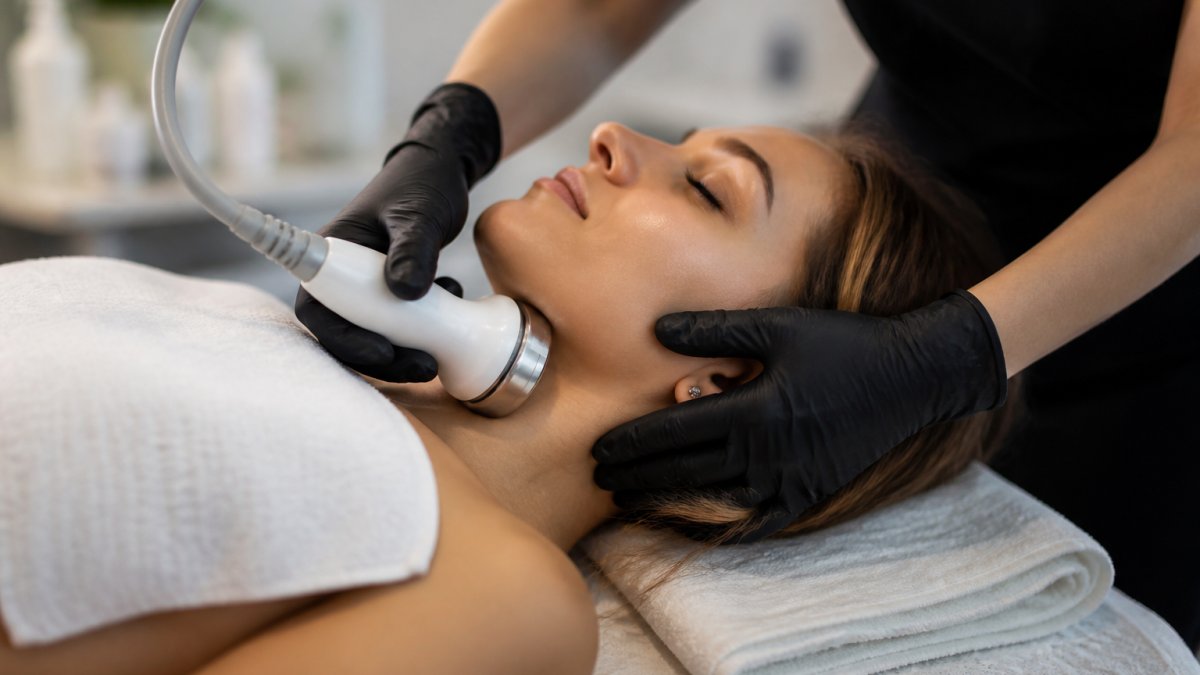
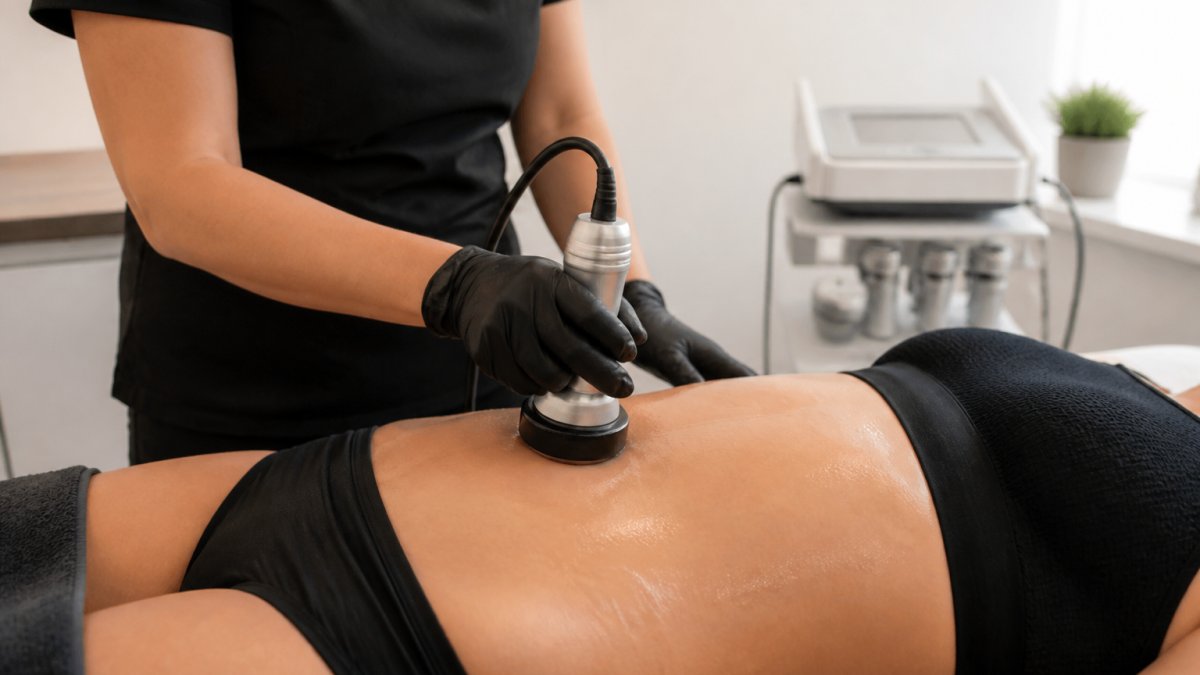
Ultrasonic cavitation creates microscopic bubbles in fat tissue that collapse and rupture fat cell membranes through acoustic cavitation. The broken-down fat is processed by your lymphatic system and eliminated naturally over the following weeks.
The skin response happens indirectly. As fat volume decreases, your body initiates a mild inflammatory healing process that triggers some collagen and elastin fiber activation, but not enough on its own to create significant skin tightening.
Here's the reality: cavitation reduces fat volume, which can make skin appear slightly firmer, but it doesn't actively remodel or tighten collagen fibers. Many guides claim cavitation "tightens" skin, when what actually happens is that less fat underneath lets existing skin conform better to the new contour.
For true skin tightening, you need heat or energy that directly stimulates collagen remodeling. That's where radiofrequency and other skin-specific technologies come in.
Collagen Remodeling and Skin Firmness: What Changes Over Time
Collagen and elastin fibers give skin its firmness and elasticity. When they break down through aging, sun damage, or rapid weight loss, skin loses its ability to bounce back, creating sagging or loose skin. Understanding how each treatment interacts with these fibers separates realistic expectations from disappointment.
What cavitation actually does to collagen. Ultrasonic cavitation does not directly remodel collagen fibers; its mechanical energy is tuned to disrupt fat cell membranes, not heat the dermis. The mild inflammatory response that follows fat removal can stimulate some collagen production over roughly 4-8 weeks, but this is a gentle, passive effect.
What radiofrequency does to collagen. Radiofrequency (RF) skin tightening works by heating the dermis to roughly 40-45°C. This heat causes immediate collagen fiber contraction and triggers a longer-term wound-healing response that includes new collagen synthesis. The result is firmer, more lifted skin. This is an active remodeling process, not a passive side effect.
What the evidence actually supports. The literature on ultrasonic cavitation for fat reduction is more established than for skin tightening; most peer-reviewed studies focus on circumference reduction and fat thickness, not skin laxity scores.
A realistic timeline. Collagen remodeling is slow. After RF, some contraction is immediate, but new collagen synthesis builds over 4-12 weeks and continues for months. After cavitation, any collagen-related improvement is even more gradual and less pronounced. Single-session transformations are not realistic for either modality.
Why combination protocols are common. Many clinics combine cavitation with RF because the mechanisms are complementary: cavitation reduces fat volume so skin appears slightly firmer, while RF addresses the skin envelope itself. Together they tackle both problems, but they do not replace each other.
Treatment Type | Primary Effect | Secondary Effect | Best For |
|---|---|---|---|
Ultrasonic cavitation | Fat reduction | Mild skin texture improvement | Stubborn fat with slight laxity |
Radiofrequency (RF) | Collagen remodeling | Skin tightening and firmness | Loose or sagging skin |
Combination (cavitation + RF) | Fat reduction + collagen stimulation | Comprehensive body contouring | Moderate fat and laxity together |
Does Body Sculpting Tighten Skin After Weight Loss
The short answer: body sculpting can improve skin appearance after weight loss, but results depend on how much loose skin you have, where it is, and which technologies are used.
Why weight loss creates loose skin. After significant weight loss, skin loses elasticity because collagen and elastin fibers have stretched and weakened.
Mild laxity. If you lost a moderate amount of weight and your skin has mild laxity, meaning it is slightly soft or crepey but still retracts reasonably well, body sculpting with cavitation plus RF can deliver visible improvement.
Moderate laxity. If skin sags noticeably in areas like the abdomen, upper arms, or inner thighs but does not hang, combination treatment can still help, though expectations should be moderated.
Significant laxity. If you have significant sagging or hanging skin, non-invasive treatments alone are unlikely to meet your expectations. This is the candidacy gap most articles avoid stating plainly.
Safety and contraindications. Cavitation and RF are generally well tolerated but not for everyone. A consultation determines candidacy, and in Canada practitioners should explain their device's regulatory status and their own training and scope of practice.
Results timeline and durability. Most people see visible results by week 4-6, significant improvement by 8-12 weeks, and full results 4-8 weeks after the final session. without maintenance sessions and stable weight, fat can return and skin can loosen again.
Comparison with alternatives. Cavitation targets fat; RF, ultrasound skin tightening, and lasers target laxity through different mechanisms. Surgery targets both fat and skin but carries risks, downtime, and scarring. The right choice depends on your primary concern, laxity severity, budget, and willingness to commit to maintenance.
What to ask before booking. Ask which device is used and its regulatory status, how many treatments are recommended and the total cost, what outcome measures the clinic tracks, and what happens if
Radiofrequency Skin Tightening vs. Cavitation: Which Works Better for Laxity
This is the most important distinction to understand. Radiofrequency and cavitation solve different problems.
Radiofrequency (RF) skin tightening heats the dermis (deep skin layer) to 40-45°C, causing immediate collagen fiber contraction and long-term collagen remodeling. The result is visible skin tightening, often within days. RF is the gold standard for loose or sagging skin.
Ultrasonic cavitation works by disrupting fat cells. The skin tightening effect is a side effect of fat reduction, not the primary mechanism. Cavitation doesn't directly heat or remodel collagen.
For loose skin specifically, RF is more effective. But cavitation is better for stubborn fat. The best approach for most people is combining both: cavitation targets fat, RF targets skin laxity.
At Shape Shift Body Contouring Red Deer, we offer personalized treatment plans that can include a combination of services to address fat reduction, skin tightening, improved texture, and reduced cellulite appearance.
If your primary concern is loose skin (not fat), RF alone is sufficient. If your primary concern is stubborn fat, cavitation alone helps. If you have both problems, the combination works best.
How Often Should I Do Ultrasonic Cavitation for Best Results
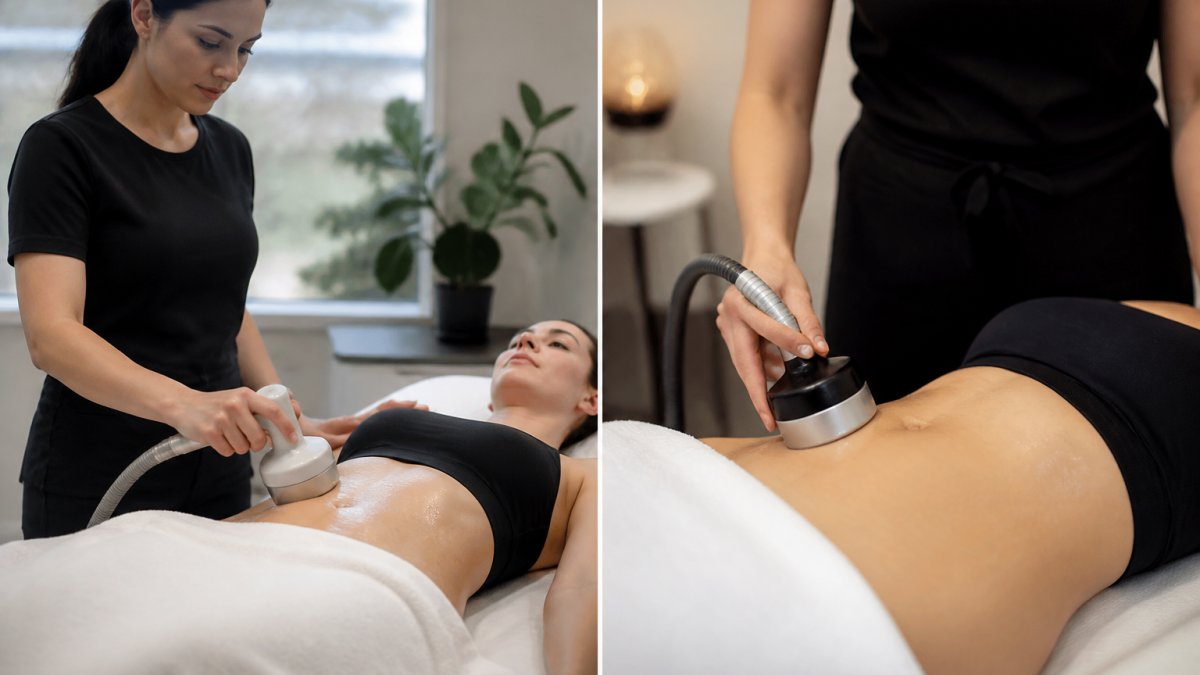
Treatment frequency depends on your goals and how your body responds. We can discuss a recommended number of sessions during a consultation.
Here's how it typically works:
- Initial phase: One session per week for 6-8 weeks. Your body needs time to process the disrupted fat through your lymphatic system.
- Maintenance phase: One session every 4-6 weeks after you reach your goal. This prevents fat cells from enlarging again.
- Individual variation: Some people see results faster. Others need more sessions. Age, metabolism, and how much fat you're targeting all affect your timeline.
The key is consistency: skipping sessions or spacing them too far apart slows results, since your body processes fat gradually.
Changes are gradual, and individual responses vary. We can discuss what to expect during a consultation.
If you combine cavitation with radiofrequency, RF is often done every 2-4 weeks because it works through a different mechanism. Your treatment plan should be customized based on your specific goals and body response.
Realistic Expectations: Timeline, Candidacy, and When Cavitation Falls Short
The honest truth: cavitation works well for specific situations and falls short in others. Knowing which category you fit into matters before you invest time and money.
Cavitation works best if:
- You have stubborn fat pockets that won't respond to diet and exercise
- You have mild to moderate loose skin (not severe sagging)
- You're within 20-30 pounds of your goal weight
- You have realistic expectations about gradual improvement
- You're willing to commit to a recommended treatment course
Cavitation falls short if:
- You have severe loose skin or significant sagging
- You expect permanent results without maintenance
- You want dramatic transformation in a few weeks
- You have very little fat to target
- You're not committed to the full treatment course
Timeline expectations vary by individual. This is not a quick fix.
Candidacy also depends on your health. Cavitation is generally safe, but pregnancy, active infections, metal implants in the treatment area, and some medications affect eligibility. A consultation determines whether you're a good candidate.
The most common mistake is expecting cavitation to replace healthy habits. It works best alongside consistent diet, hydration, and movement. People who maintain their results do the maintenance sessions. People who regain weight often regain the fat too.
Does cavitation tighten loose skin? The answer is nuanced. Cavitation reduces fat and triggers mild skin improvement through collagen stimulation. For mild to moderate laxity, this often delivers visible tightening. For severe loose skin, cavitation needs pairing with radiofrequency or other collagen-remodeling technologies to achieve the firmness you want.
At Shape Shift Body Contouring Red Deer, we assess your situation and recommend the right combination of treatments. Whether you need cavitation alone, RF alone, or both depends on your fat pockets, skin laxity, and goals. Our personalized approach ensures a plan that works for your body, not a one-size-fits-all protocol. Book a consultation to discuss your candidacy and see what's realistic for you.
Frequently Asked Questions
How often should I do ultrasonic cavitation to see results?
Treatment frequency depends on your skin laxity, the treatment area, and your body's response. Starting with a consultation helps determine the right schedule for your goals. Results typically appear gradually over several weeks as collagen remodeling occurs.
Does cavitation actually tighten loose skin, or is it mainly for fat reduction?
Cavitation primarily reduces fat and can stimulate some collagen production, which may improve skin firmness over time. However, it is not designed as a primary skin-tightening treatment for significant laxity. For loose skin after major weight loss or pregnancy, radiofrequency or combination treatments often deliver more noticeable tightening results.
Can ultrasonic cavitation make loose skin worse?
Cavitation should not worsen loose skin when performed by a qualified professional. However, if skin laxity is severe, the reduction in underlying fat volume could temporarily make loose areas more apparent. A consultation can assess whether your skin condition is suitable for cavitation alone or whether combining treatments would be more effective.
What is the difference between radiofrequency skin tightening and ultrasonic cavitation?
Radiofrequency uses heat energy to directly stimulate collagen and elastin fibres, promoting skin tightening and lifting. Ultrasonic cavitation uses sound waves to break down fat cells and may trigger some collagen remodeling as a secondary effect. For loose skin, radiofrequency typically produces more direct and visible tightening, while cavitation excels at fat reduction and cellulite improvement.