 how-to
Can I Work After Laser Lipolysis? Recovery Guide
Table of Contents
- Can You Work After Laser Lipolysis? The Short Answer
- How Laser Lipolysis Works and What Recovery Involves
- Laser Lipolysis Recovery Time: What to Expect Week by Week
- Return to Work After Laser Liposuction: Job-Specific Guidance
- Laser Lipolysis Aftercare: Essential Post-Treatment Instructions
- Laser Lipolysis Side Effects and When to Contact Your Provider
- Activity and Exercise: Returning to Your Normal Routine
- Noninvasive Laser Treatment Versus Laser-Assisted Liposuction: Recovery Differences
- Frequently Asked Questions
Last Updated: October 16, 2026
Can You Work After Laser Lipolysis? The Short Answer
Yes, you can work after laser lipolysis for most job types. The procedure causes minimal downtime compared to traditional liposuction. Many people return to desk work within a few days. Physical jobs require more recovery time.
Work after laser lipolysis depends on your job demands and how your body responds. Some feel ready the next day; others need a week or two. Understanding what recovery involves lets you plan accordingly.
This guide covers the timeline, job-specific guidance, and aftercare you need.
How Laser Lipolysis Works and What Recovery Involves
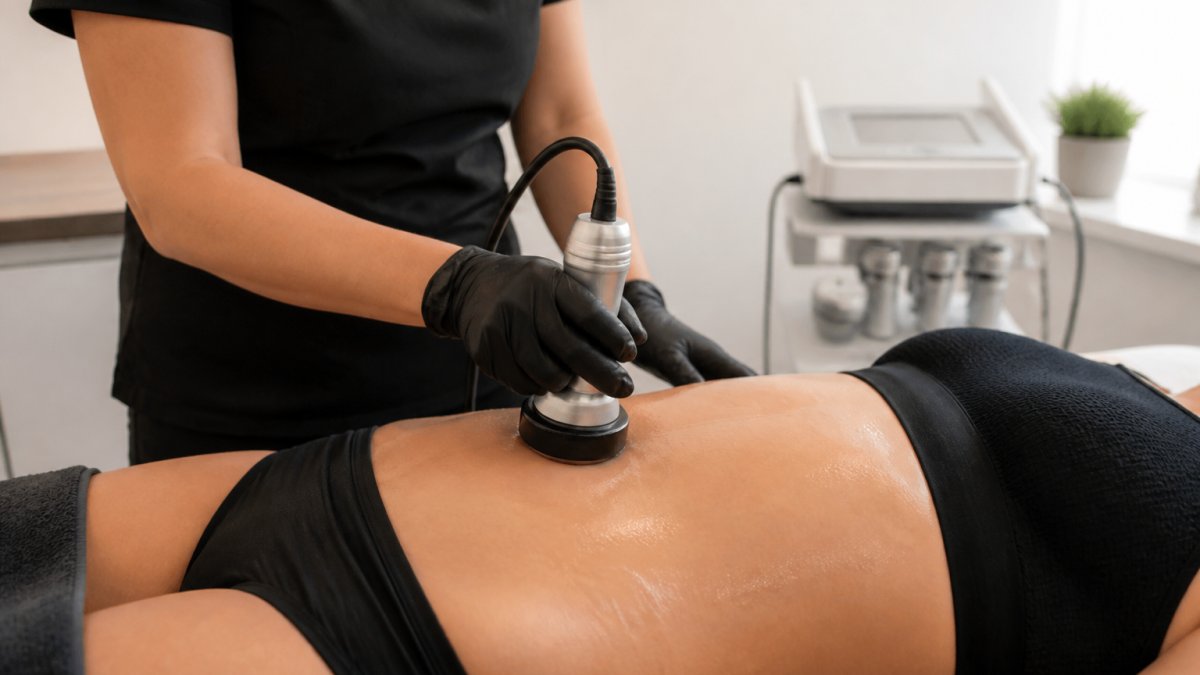
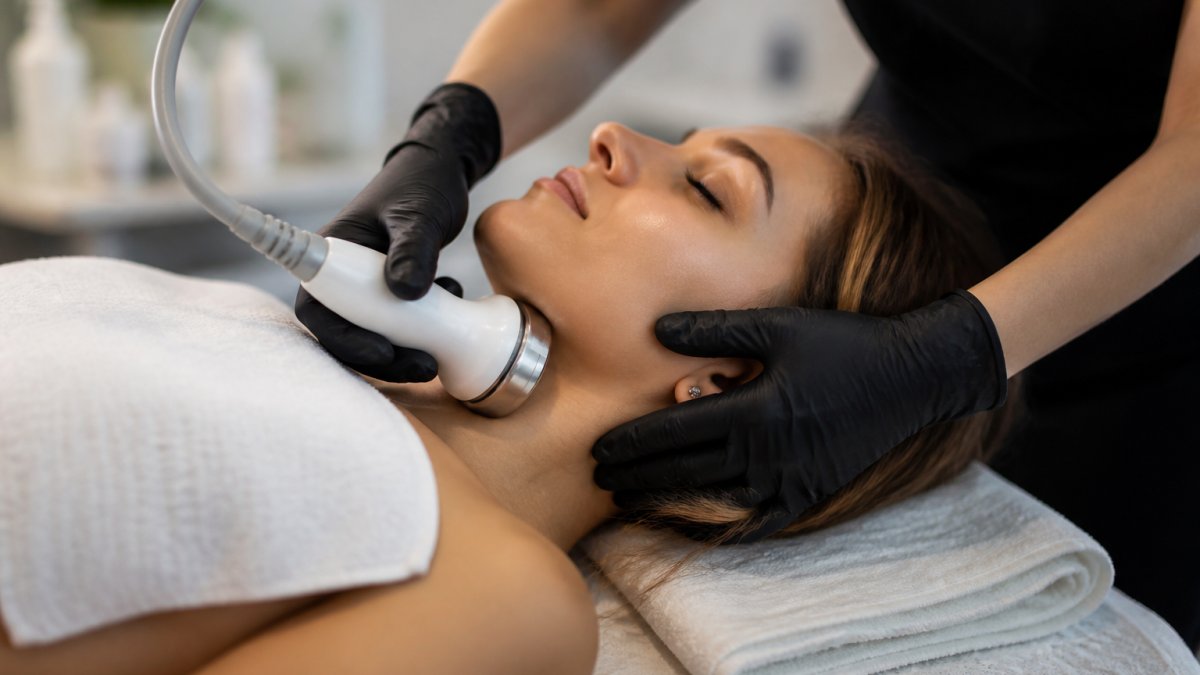
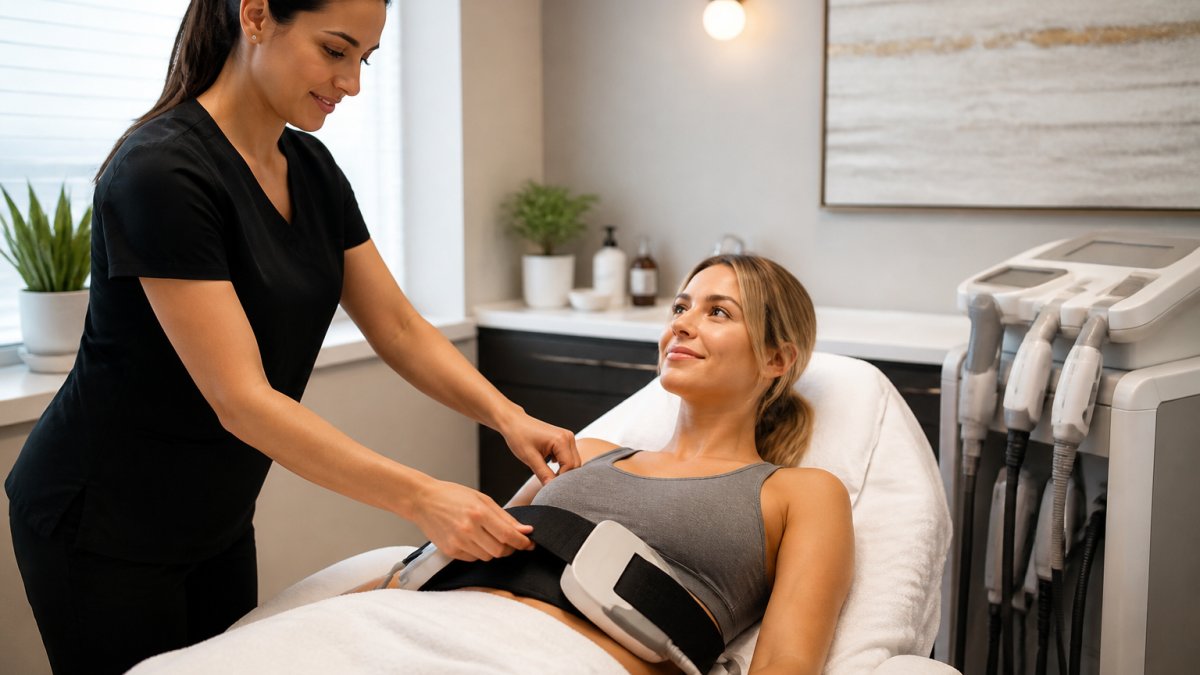
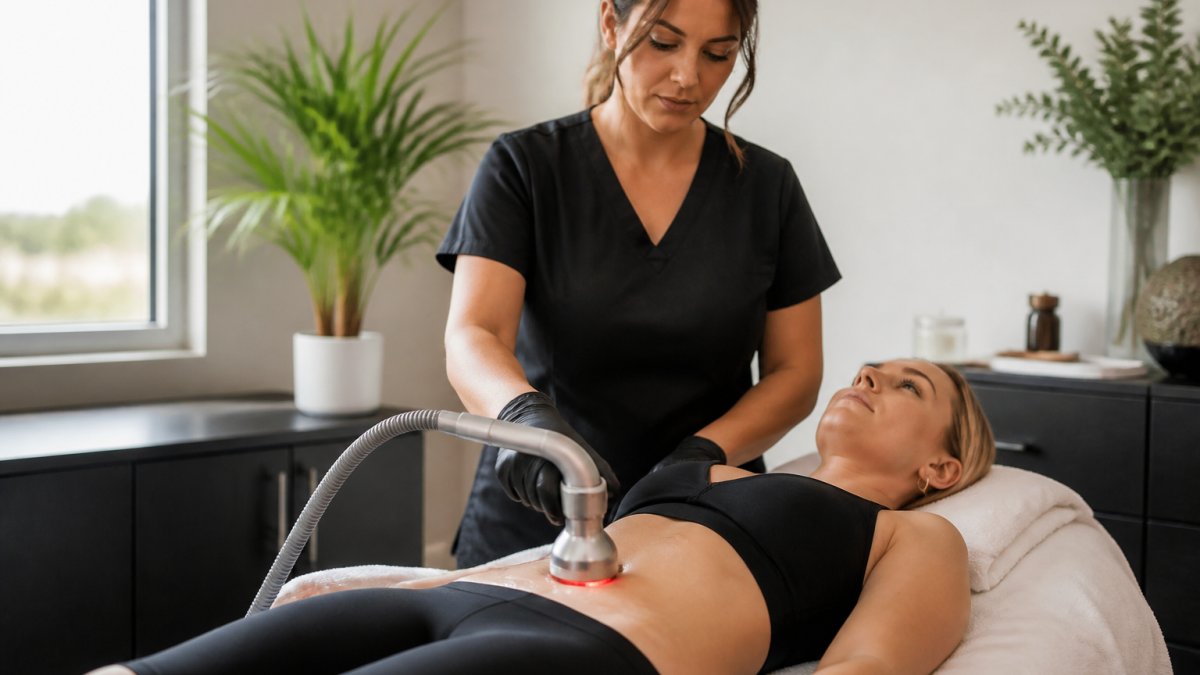
Laser lipolysis is a non-invasive fat reduction treatment that uses laser energy to break down fat cells beneath the skin. A handheld applicator targets stubborn fat pockets without surgery, and heat liquefies the fat cells over several weeks.
Unlike traditional liposuction, laser lipolysis requires no incisions or anesthesia, so your skin stays intact and surrounding tissue suffers less trauma. The body eliminates the damaged fat cells through the lymphatic system.
Recovery is significantly faster than with surgical alternatives. Most people experience mild swelling and tenderness, sometimes with temporary redness, fading within days to weeks.
Results develop gradually over 8-12 weeks as your body processes the treated fat cells.
Laser Lipolysis Recovery Time: What to Expect Week by Week
Understanding your recovery timeline helps you plan your return to work with confidence.
Week 1: Expect mild swelling and possible bruising at the treatment site. Most people feel comfortable returning to light desk work immediately.
Week 2-3: Swelling decreases and bruising fades. Temporary numbness or tingling in the treated area is normal.
Week 4-6: Most visible swelling resolves and soreness diminishes. Gradually increase activity intensity as results start becoming visible.
Week 8-12: Final results emerge as your body continues eliminating fat cells. Skin firmness improves from collagen stimulation.
Healing varies with treatment area size, age, and overall health: larger areas may swell more. Proper aftercare speeds healing.
Return to Work After Laser Liposuction: Job-Specific Guidance
Your job demands, not the calendar, should drive your return-to-work decision. The guidance below separates noninvasive laser lipolysis from laser-assisted liposuction, which carry very different downtime.
Desk Jobs and Light Duties
Most desk workers return within 1-3 days after noninvasive laser lipolysis, since sitting at a computer and light tasks feel manageable immediately. After laser-assisted liposuction, plan for 3-7 days away from the desk.
Practical adjustments that help:
- Wear loose, soft clothing that does not press on the treatment area.
- Stand and walk for a few minutes every hour to support circulation and reduce swelling.
- Use a cushion or small pillow if sitting directly on a treated area is uncomfortable.
- Keep a compression garment on as directed, even at your desk, unless your provider says otherwise.
If bruising concerns you, schedule treatment before a weekend so initial swelling settles before you return to the office. Over-the-counter pain medication usually controls discomfort, and most desk workers need no formal time off.
Driving and Safety-Sensitive Work
This is the area most return-to-work guides skip, and it matters. Even noninvasive laser lipolysis can leave you sore, swollen, and tired, and sedatives or pain medication may impair your reaction time and judgment.
- Do not drive on the day of your procedure if you received sedation, anesthesia, or opioid pain medication.
- Wait until you are off impairing medication and can move, turn, and brake without pain or hesitation before resuming driving.
- Operating machinery, forklifts, or commercial vehicles requires the same caution. Fatigue, restricted movement, and lingering soreness can affect focus and reaction time.
- Check your employer's policy. Some safety-sensitive roles require a fitness-for-duty note or a set period off after any procedure involving sedation.
A common pattern is 24-48 hours away from driving after noninvasive treatment, and longer after laser-assisted liposuction. Confirm your specific timeline with your provider, especially if you hold a commercial license.
Physical Jobs and Demanding Roles
Construction, nursing, warehousing, and similar roles need more recovery time: plan for 1-2 weeks of modified duties after noninvasive laser lipolysis, and 2-4 weeks before full physical work after laser-assisted liposuction.
- Avoid heavy lifting for at least 2 weeks after noninvasive treatment, and longer after surgical liposuction.
- Repetitive bending, twisting, and reaching stress the treatment area and can increase swelling.
- Protective gear with tight waistbands or compression can irritate the site. Wear loose layers underneath where possible, or delay treatment until you can modify your work setup.
- Progress gradually: light tasks in week 1, moderate activity in weeks 2-3, full duties from week 4 onward.
A Practical Return-to-Work Checklist
Use this to plan before your procedure:
- Confirm which procedure you are having and its expected downtime.
- Book the right number of days off for your job type.
- Arrange transport home on procedure day if sedation is involved.
- Set up loose clothing and a spare compression garment.
- Ask your provider for a fitness-for-duty note if your employer requires one.
- Plan light-duty or modified hours for your first week back.
- Schedule breaks to stand, walk, and reposition during the workday.
If your job involves driving, heavy lifting, or safety-sensitive equipment, treat the timelines above as minimums and get clearance from your provider before resuming full duties.
Laser Lipolysis Aftercare: Essential Post-Treatment Instructions
Proper aftercare determines how quickly you heal and how good your results are.
Compression garments are essential for the first 2-4 weeks, worn during the day and removed at night unless directed otherwise.
Keep the treatment area clean and dry. Avoid submerging it in water for the first 48 hours. After that, gentle washing is fine.
Stay hydrated. Drink at least 2-3 liters of water daily to support fat elimination and reduce swelling. (Source: guidelines for returning to work after medical procedures)
Avoid direct heat for the first week. Skip hot baths, saunas, and hot showers over the treatment area. Heat increases inflammation and swelling.
Limit sun exposure on treated areas for at least 2 weeks. Use SPF 30+ sunscreen if the area will be exposed.
Light walking is encouraged from day one. It promotes circulation without stressing the treatment area.
Pain management usually involves over-the-counter options. Ibuprofen or acetaminophen controls discomfort. Your provider may recommend specific products.
Laser Lipolysis Side Effects and When to Contact Your Provider
Common side effects fade within days to weeks. Understanding what's normal versus what needs attention matters.
Swelling is the most common side effect. It peaks around day 2-3, then gradually decreases. Compression garments and elevation help manage it.
Bruising occurs in some patients. It's harmless and fades naturally. Arnica gel or bromelain supplements may speed healing, though evidence is limited.
Soreness and tenderness feel like mild muscle soreness, are worst in the first few days, and improve quickly. Movement and light activity actually help reduce tenderness.
Temporary numbness or changes in sensation happen occasionally. Nerves in the area may be slightly irritated. This resolves within weeks as swelling decreases.
Contact your provider if:
- Swelling worsens after day 3
- Bruising spreads beyond the treatment area
- You develop signs of infection: warmth, redness, pus, or fever
- Numbness doesn't improve after 6 weeks
- You experience severe pain not controlled by medication
- You notice unusual discharge or skin breakdown
Serious complications are rare with laser lipolysis; its non-invasive nature makes it safer than surgical alternatives. Your provider will give you contact information for any concerns during recovery.
Activity and Exercise: Returning to Your Normal Routine
Activity progression after laser lipolysis should match your procedure type and work demands, not just a calendar.
Days 1-3: Rest and light walking only. Short, frequent walks support circulation without stressing the treatment area. Avoid strenuous activity while initial swelling peaks.
Week 1-2: Increase walking to 20-30 minutes daily. Gentle stretching is fine. Avoid exercise that significantly raises your heart rate, and avoid heavy lifting.
Week 3-4: Light cardio such as easy walking or stationary cycling is usually safe. Keep intensity low. Continue to avoid heavy lifting and intense strength training.
Week 5-6: Gradually increase cardio intensity. Light weight training with controlled movements is acceptable. Avoid heavy lifts and explosive movements.
Week 8+: Full return to your normal exercise routine for most people. Your body has had time to heal and process the treated fat cells.
How Exercise Supports Your Results
Exercise increases circulation, helping your lymphatic system clear the liquefied fat cells released by the laser. That is why light movement is encouraged early, even when sore; pushing too hard too soon increases swelling and delays results.
Warning Signs to Stop and Call Your Provider
Stop activity and contact your provider if you notice:
- Swelling that worsens after day 3 instead of improving
- Bruising that spreads beyond the treatment area
- Severe pain not controlled by over-the-counter medication
- Warmth, redness, pus, or fever, which can signal infection
- Numbness that does not improve after 6 weeks
- Unusual discharge or skin breakdown
Tying Activity Back to Your Job
Your return-to-work plan and exercise plan should move together. Desk workers may be back at the computer within days while keeping exercise light; physical workers should treat job duties as part of their activity load and progress them at the same pace as the schedule above. When in doubt, ask your provider to map your job tasks onto this timeline before returning to full duties.
Noninvasive Laser Treatment Versus Laser-Assisted Liposuction: Recovery Differences
Understanding the difference between these two approaches helps you choose the right procedure.
Noninvasive laser treatment uses laser energy alone to break down fat cells. No incisions. No anesthesia. No surgical tools. Your skin remains completely intact.
Laser-assisted liposuction combines laser energy with surgical fat removal: a small incision allows a cannula (thin tube) to suction out liquefied fat.
Choose noninvasive laser treatment for minimal downtime and gradual results; choose laser-assisted liposuction for faster, more dramatic results with more recovery time.
Shape Shift Body Contouring Red Deer offers personalized treatment plans that match your goals and lifestyle.
Recovery comparison:
| Aspect | Noninvasive Laser | Laser-Assisted Liposuction |
|---|---|---|
| Downtime | Minimal (days) | 1-2 weeks |
| Swelling | Mild | Moderate to significant |
| Return to desk work | 1-3 days | 3-7 days |
| Return to physical work | 1-2 weeks | 2-4 weeks |
| Results timeline | 8-12 weeks | 4-8 weeks |
| Incisions | None | Small incision(s) |
| Anesthesia | None | Local or general |
Both approaches are effective. Noninvasive laser lipolysis suits people prioritizing minimal disruption to work and daily life.
The decision to pursue laser lipolysis should match your work demands and recovery preferences. Most people return to work within days, making this an attractive option for busy professionals.
Frequently Asked Questions
Can I return to work the day after laser lipolysis?
Most people can return to desk work the day after laser lipolysis, though comfort depends on treatment area and individual response. You may experience mild swelling, tenderness, or temporary numbness that doesn't prevent work. Physical jobs requiring heavy lifting, bending, or repetitive movement should wait 3-5 days. Wear your compression garment throughout the workday for support and optimal healing.
How long is the typical laser lipolysis recovery time?
Full recovery from laser lipolysis typically takes 2-4 weeks, though most people return to normal daily activities within 3-7 days. Swelling and bruising peak around day 3-5 and gradually subside. Visible results improve as healing progresses and inflammation decreases. Light activity like walking can resume immediately; gradual return to exercise begins around week 2-3, depending on how you feel and your clinician's guidance.
What laser lipolysis side effects might affect my ability to work?
Common side effects include swelling, bruising, soreness, tenderness, temporary numbness, and mild fatigue, none typically prevent work. Swelling and bruising are temporary and most noticeable in the first week. Temporary numbness or changes in sensation usually resolve within weeks. If you experience severe pain, excessive swelling, signs of infection, or symptoms that worsen after several days, contact your clinician immediately before returning to work.
What laser lipolysis aftercare steps help me return to work safely?
Wear your compression garment as instructed (usually 24/7 for the first week, then during the day). Take prescribed pain medication as needed. Stay hydrated and avoid heavy lifting, bending, or strenuous activity. Avoid driving if you're taking pain medication. Follow all post-treatment care instructions from your clinician. Gradually increase activity as swelling decreases and discomfort improves. Attend all follow-up appointments to monitor healing and adjust your return-to-work plan if needed.