 how-to
Book Non-Surgical Body Contouring: A Step-by-Step Guide
Table of Contents
- What Non-Invasive Body Contouring Is and Why It Matters
- How to Choose a Body Contouring Clinic
- What to Expect During Your Body Contouring Consultation
- Body Contouring Session Preparation: Before Your Appointment
- How Many Body Contouring Sessions Will You Need?
- What Happens During and After Your Treatment
- Booking Your Non-Surgical Body Contouring Session
- Frequently Asked Questions
Last Updated: October 19, 2026
What Non-Invasive Body Contouring Is and Why It Matters
Non-invasive body contouring refers to fat-reduction and skin-tightening treatments that work on the skin's surface without piercing, cutting, or entering the skin at all. Unlike surgical procedures, these treatments use advanced technologies like controlled cooling, laser energy, or radiofrequency to target fat cells and stimulate collagen production from outside the body.
At Shape Shift Body Contouring Red Deer, we specialize in these non-invasive approaches because they deliver real results without the risks, recovery time, or scarring associated with surgery.
The appeal is straightforward: you can address problem areas, improve your confidence, and return to your normal routine the same day. For people in good health, these treatments typically involve no downtime and minimal discomfort. That's a significant advantage over traditional surgery, which demands weeks of recovery, time off work, and careful wound management.
How to Choose a Body Contouring Clinic
Choosing the right clinic matters more than you might think. A poorly equipped facility or inexperienced practitioner can waste your money and leave you disappointed. The best clinics combine proven technology, transparent pricing, and a clear process for assessing whether you're a good candidate.
Start by asking three basic questions: What technology do they use? Can they explain how it works and why it suits your goals? Are they willing to discuss realistic outcomes, or do they oversell results?
A reputable clinic will never promise permanent fat loss or guarantee specific results. Fat cells can be destroyed or reduced, but your body's biology means some regeneration is possible if you gain weight. Honest practitioners acknowledge this limitation upfront.
Verify Treatment Technology and Credentials
The technology behind your treatment directly affects your results. Ask the clinic which devices they use and request information about their track record. Common non-invasive technologies include laser lipolysis (which uses heat to break down fat), ultrasonic cavitation (which uses sound waves), and radiofrequency (which tightens skin by stimulating collagen).
Each technology has different applications. Laser lipolysis and ultrasonic cavitation are used for fat reduction and cellulite. Radiofrequency is used for skin tightening and can support post-op recovery.
Request to see before-and-after photos from clients with your body type and target areas. A clinic worth choosing will have a portfolio and be happy to show you realistic examples. Photos should be unretouched and taken under consistent lighting so you can assess actual results.
Check Transparency on Pricing and Policies
Shape Shift Body Contouring Red Deer operates on everyday low, transparent pricing, meaning no hidden fees, no surprise charges, and clear upfront communication about what each session costs. This approach builds trust and lets you budget accurately.
When comparing clinics, ask for a complete breakdown: What's the cost per session? How many sessions does a typical treatment plan require? Are there package discounts? What's the cancellation policy? Do they offer a free initial consultation?
Some clinics quote a low per-session price but fail to mention that most clients need 6-12 sessions to see meaningful results. Others charge extra for consultation, add facility fees, or impose strict cancellation policies. Read the fine print and ask directly about total expected cost for your specific goals.
A clinic that hesitates to discuss pricing or quotes you a price only after a consultation is likely hiding something. Legitimate providers know their costs and share them readily.
What to Expect During Your Body Contouring Consultation
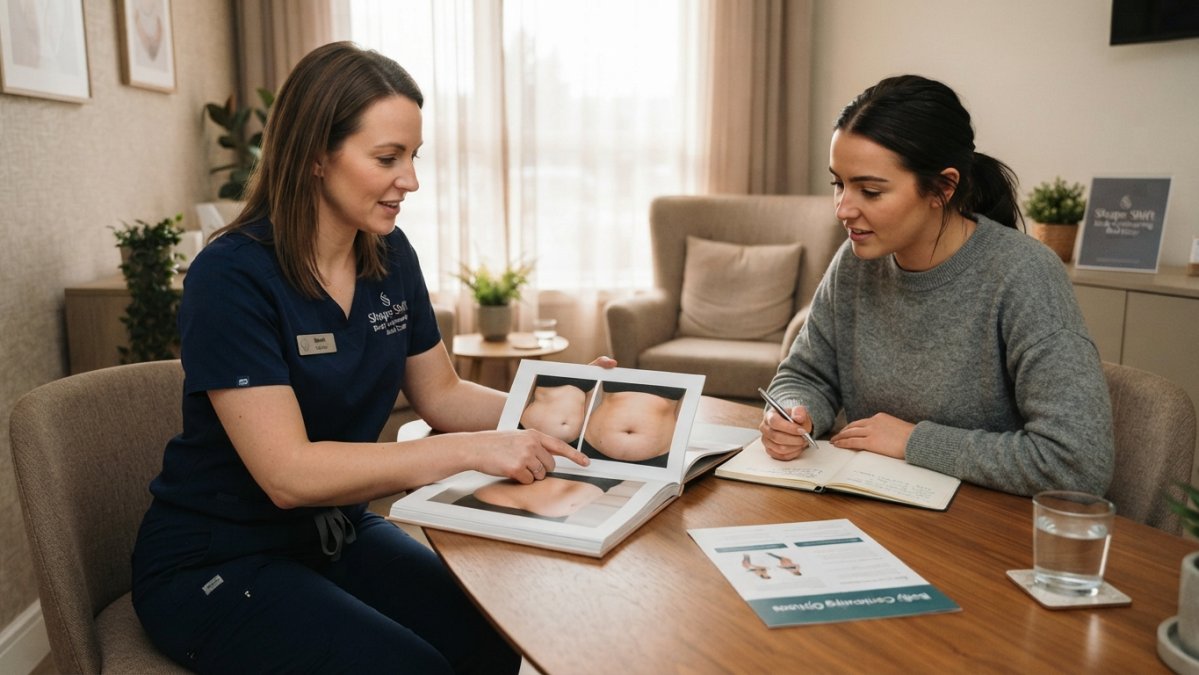
Your initial consultation is where the clinic assesses whether you're a good candidate and creates a personalized treatment plan. This is your chance to ask questions, see the treatment area in person, and understand exactly what to expect.
A thorough consultation typically lasts 30-45 minutes. The practitioner will examine the areas you want to treat, discuss your goals, and explain which technology best suits your needs. They'll show you before-and-after photos, answer your questions honestly, and give you realistic expectations about results and timeline.
Medical History and Candidate Assessment
The practitioner will ask about your medical history, current medications, and any skin conditions. This isn't just paperwork, it's a safety step. Certain conditions, medications, or skin types may affect your suitability for treatment or require modifications to the plan.
Be honest about your health. If you've had recent surgery, take blood thinners, or have active skin infections, mention it. These factors don't necessarily disqualify you, but the practitioner needs to know to keep you safe.
You'll also discuss your lifestyle. Do you exercise regularly? What's your diet like? Are you planning major weight changes? These questions help the practitioner set realistic expectations. Non-invasive body contouring works best for people committed to maintaining their results through healthy habits.
Treatment Plan and Goal Setting
Once the assessment is complete, the practitioner will outline a personalized treatment plan. This includes which areas will be treated, which technology will be used, how many sessions you'll likely need, and what results are realistic for your body type and goals.
Be specific about your goals. "I want to look better" is too vague. Instead, say "I want to reduce the appearance of cellulite on my thighs" or "I want to tighten loose skin on my abdomen after weight loss." Specific goals help the practitioner design a plan that actually addresses what matters to you.
The consultation is also when you'll learn about the booking process, appointment scheduling, and what happens next. A good clinic makes this easy and answers all your questions before you commit.
Body Contouring Session Preparation: Before Your Appointment
Preparing properly for your body contouring session maximizes results and ensures your comfort. A few simple steps beforehand make a real difference.
The day before your appointment, hydrate well. Drink plenty of water, this helps your body process the treatment more effectively. Avoid alcohol and caffeine, which can increase sensitivity and dehydration.
On the day of your appointment, wear loose, comfortable clothing. You won't need to change into a gown for most non-invasive treatments, but loose clothes make it easier to access the treatment area and feel relaxed.
Clean the treatment area gently with mild soap and water. Avoid applying lotion, oils, or makeup to the skin you're having treated. These products can interfere with the technology and reduce effectiveness.
Arrive a few minutes early so you're not rushed. A calm mindset helps you relax during the session, which improves comfort and results.
How Many Body Contouring Sessions Will You Need?
The number of sessions depends on your goals, the technology used, and how your body responds to treatment. There's no one-size-fits-all answer, but understanding the typical range helps you plan and budget.
Most clients see meaningful results after 4-8 sessions, spaced 1-2 weeks apart. Some people notice changes after the first session, while others need more time. Stubborn fat deposits or significant skin laxity may require 8-12 sessions to achieve your target results.
Your practitioner will recommend a specific number during your consultation based on your assessment. They'll also explain what you'll likely see after each session, so you know whether progress is on track.
The key is consistency. Skipping sessions or spacing them too far apart reduces effectiveness. Most clinics recommend sticking to the recommended schedule for best results.
What Happens During and After Your Treatment
Understanding the actual treatment process removes anxiety and helps you prepare mentally for what's ahead.
The Treatment Session Itself
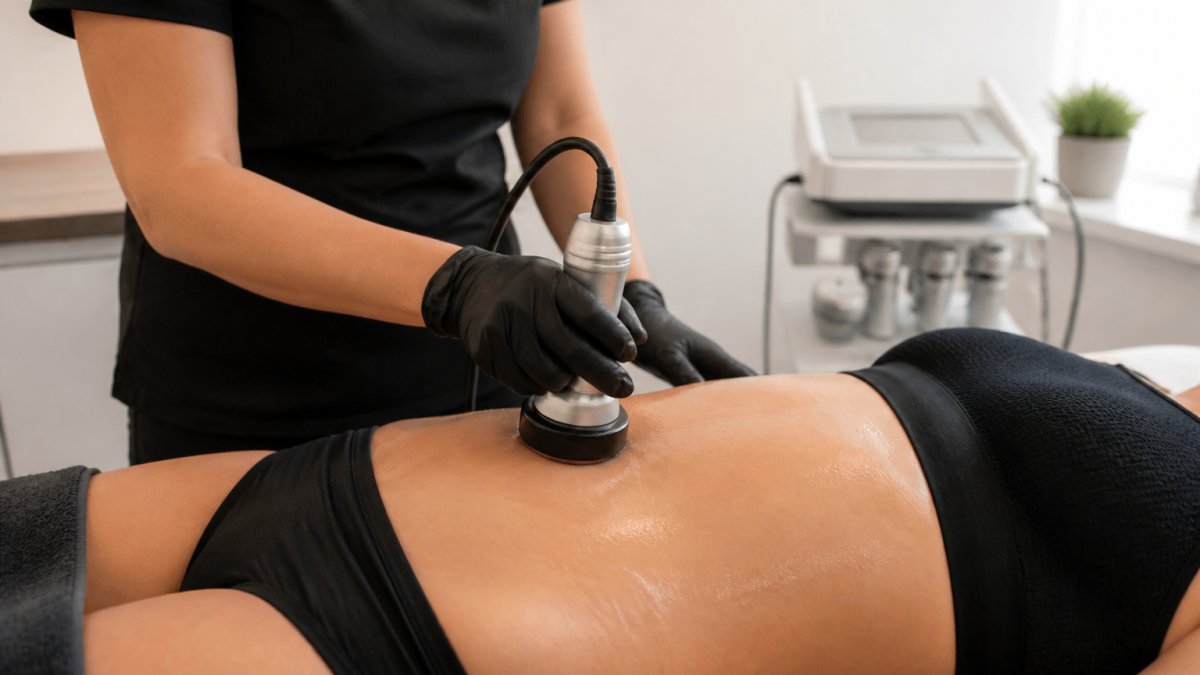
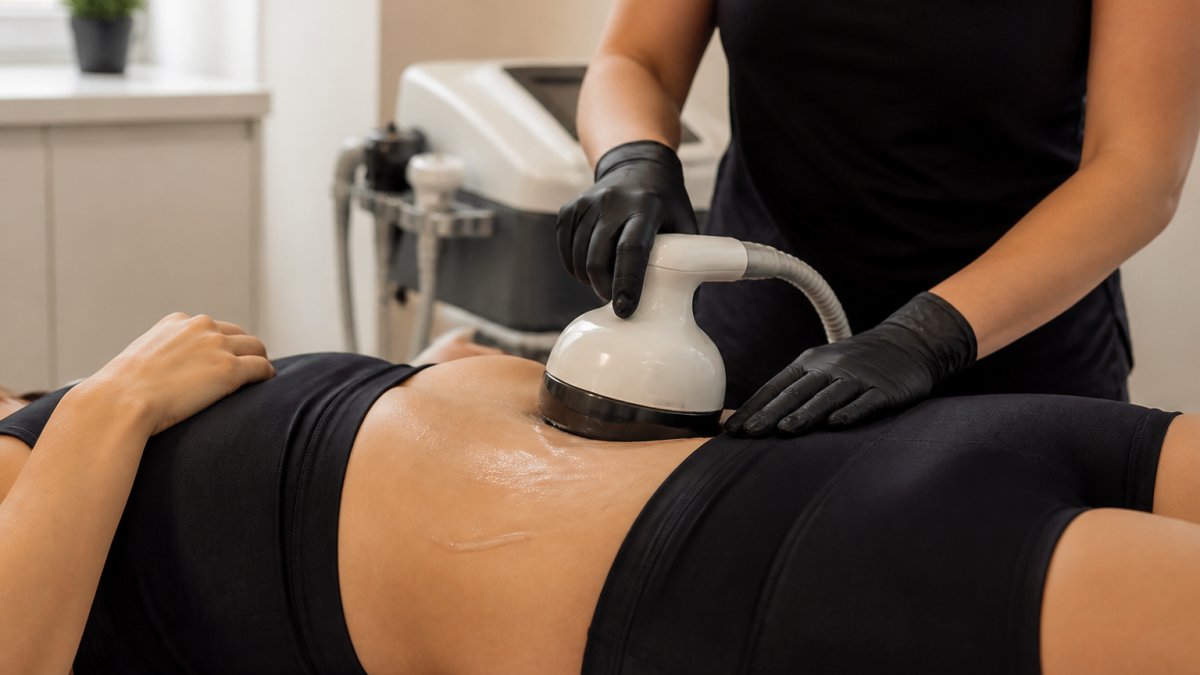
When you arrive for your appointment, the practitioner will have you lie down or sit comfortably, depending on the treatment area. They'll apply a gel or protective layer to your skin, this helps the device make proper contact and protects your skin surface.
The practitioner will then move the handheld device slowly over the treatment area. You'll feel warmth, vibration, or gentle pressure depending on the technology. Most people describe it as comfortable or mildly tingling, not painful. If you're in good health, you typically experience minimal discomfort.
The session usually lasts 30-60 minutes depending on the size of the treatment area and the technology used. Some people relax or check their phone during the session. Others chat with the practitioner.
When the session ends, the practitioner will remove the gel, and you're done. No recovery time needed. You can return to work, exercise, or your normal routine immediately.
Recovery and Results Timeline
This is one of the biggest advantages of non-invasive body contouring: there's no downtime. You won't be bruised, bandaged, or sore. If you're in good health, you'll typically experience no pain or side effects at all.
Some people notice a slight warmth or mild redness in the treated area immediately after, but this fades within a few hours. You can shower, exercise, and live your life normally the same day.
Results appear gradually over the following weeks as your body processes the treated fat cells and collagen rebuilds. Most people see noticeable changes after 2-3 sessions, with continued improvement over 8-12 weeks as the full effects develop.
Before-and-after photos taken at your consultation and at regular intervals during your treatment series help you track progress. Many people are surprised by how much changes over time.
Booking Your Non-Surgical Body Contouring Session
Once you've decided that non-invasive body contouring is right for you, it's time to book body contouring session, which is straightforward. Most clinics offer online scheduling, phone booking, or in-person consultations.
Start with an initial consultation. This gives you a chance to meet the practitioner, see the facility, and confirm that you're comfortable before committing to treatment sessions.
When booking, ask about:
- Available appointment times that fit your schedule
- Whether sessions can be scheduled back-to-back on the same day if you're treating multiple areas
- Cancellation policies and how much notice you need to give
- Payment options and whether packages offer better value than single sessions
Many clinics offer flexible scheduling to accommodate busy lives. Some offer evening or weekend appointments. Ask what works best for you.
Shape Shift Body Contouring Red Deer makes booking easy with transparent pricing, flexible scheduling, and a straightforward process. We're here to answer questions and help you feel confident in your decision before your first session.
Choosing to invest in your appearance and confidence through non-invasive body contouring is a personal decision. The right clinic guides you through every step, explains realistic outcomes honestly, and delivers results that match your goals.
Frequently Asked Questions
What does 'non-invasive' mean for body contouring treatments?
Non-invasive body contouring means the treatment does not pierce, cut, or enter the skin. Unlike surgical procedures, non-invasive techniques work on the surface or just beneath the skin without incisions or wounds. This eliminates scarring risk and allows you to return to your normal activities immediately after treatment, making it ideal for those seeking results without downtime.
How many body contouring sessions will I typically need?
The number of sessions depends on your treatment goals, the areas being treated, and your body's response. Most clients benefit from a series of multiple sessions spaced weeks apart to achieve optimal results. During your consultation, your practitioner will assess your situation and create a personalized treatment plan outlining the recommended session count and timeline for your specific needs.
Is there downtime after a non-invasive body contouring session?
If you are in good health, non-invasive body contouring typically involves no downtime and minimal to no pain. Most people return to work, exercise, and daily activities the same day. Your practitioner will provide aftercare instructions during your consultation to ensure the best results and comfort following your treatment.
What should I ask during my body contouring consultation?
Ask about the specific treatment technology being used, how many sessions are recommended for your goals, what results are realistic for your situation, pricing transparency, cancellation policies, before-and-after results from similar cases, and any potential side effects. A thorough consultation helps you make an informed decision and ensures the clinic understands your expectations clearly.